Home
›
Wang Aloe
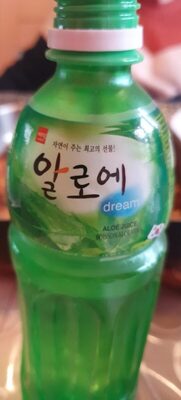
Why this verdict: 1 high-concern ingredient(s) present.
Limited data.
Nutrition facts panel is not on file for this product. The verdict reflects ingredient signals (NOVA, additive severity) only — not the full nutritional profile.
How it scored 15 / 100
Nutrition
—
No nutrition facts on file
Additives
0 / 30
Severity-weighted
Processing
0 / 10
NOVA group 4
Nutrition snapshot
Nutri-Score
ABCDE
EU 5-tier scale (poor)
NOVA group
4
Ultra-processed
Saturated fat
—
No nutriment data
Serving
250 g
250 ml
Ingredients 10 listed
- 1 Water Water intended for human consumption; the most common ingredient in processed foods and beverages. Bottled water is regulated as a food unde…Safe
- 2 Aloe Vera Gel The clear inner leaf gel of Aloe vera (Aloe barbadensis miller), used in beverages and foods. Decolorized (purified) aloe vera inner leaf is…Moderate
- 3 Sugar Sucrose, a disaccharide of glucose and fructose, refined from sugarcane or sugar beets.Moderate
- 4 Fructose A monosaccharide sugar naturally found in fruits, honey, and some vegetables; also produced industrially.Moderate
- 5 Citric Acid Citric acid (E330), a weak organic acid naturally present in citrus fruit and produced commercially via Aspergillus niger fermentation.Low
- 6 Calcium Lactate Calcium Lactate — the calcium salt of lactic acid.Low
- 7 Ascorbic Acid L-Ascorbic acid (vitamin C), a water-soluble vitamin and reducing agent.Low
- 8 ALOE FLAVOR —
- 9 Brilliant Blue Fcf Brilliant Blue FCF (FD&C Blue No. 1), a synthetic triphenylmethane dye used to produce a bright blue colour.Moderate
- 10 Tartrazine Synthetic azo dye (lemon-yellow color); also called FD&C Yellow No. 5. E-number E102.High
Scan it before you buy it
Get Ube for iOS and Android — point at any barcode, see what's actually in there.
Get the app